Discover Himachal Pradesh
Immerse yourself in the breathtaking beauty, rich culture, and incredible landscapes of Himachal Pradesh.

About Himachal Pradesh
The predominantly mountainous region comprising the present-day Himachal Pradesh has been inhabited since pre-historic times, having witnessed multiple waves of human migrations from other areas. Through its history, the region was mostly ruled by local kingdoms, some of which accepted the suzerainty of larger empires. Prior to India's independence from the British, Himachal comprised the hilly regions of the Punjab Province of British India. After independence, many of the hilly territories were organised as the Chief Commissioner's province of Himachal Pradesh, which later became a Union Territory. In 1966, hilly areas of the neighbouring Punjab state were merged into Himachal and it was ultimately granted full statehood in 1971.
Shimla is the summer capital of Himachal Pradesh, while Dharamshala is the winter capital.
Himachal Pradesh is spread across valleys with many perennial rivers flowing through them. Agriculture, horticulture, hydropower, and tourism are important constituents of the state's economy. The hilly state is almost universally electrified, with 99.5% of households having electricity as of 2016. The state was declared India's second open-defecation-free state in 2016. According to a survey of CMS-India Corruption Study in 2017, Himachal Pradesh is India's least corrupt state. Himachal Pradesh is divided into 12 districts.
In 2026, Himachal Pradesh ranked at the 8th position on the earth in World's most welcoming regions followed by Fredericksburg, USA. In India Himachal Pradesh topped in India's most welcoming regions followed by Kerala and Goa, and Himachal's Bir topped as the most welcoming city in India.
Top Attractions
City Center & Historic District
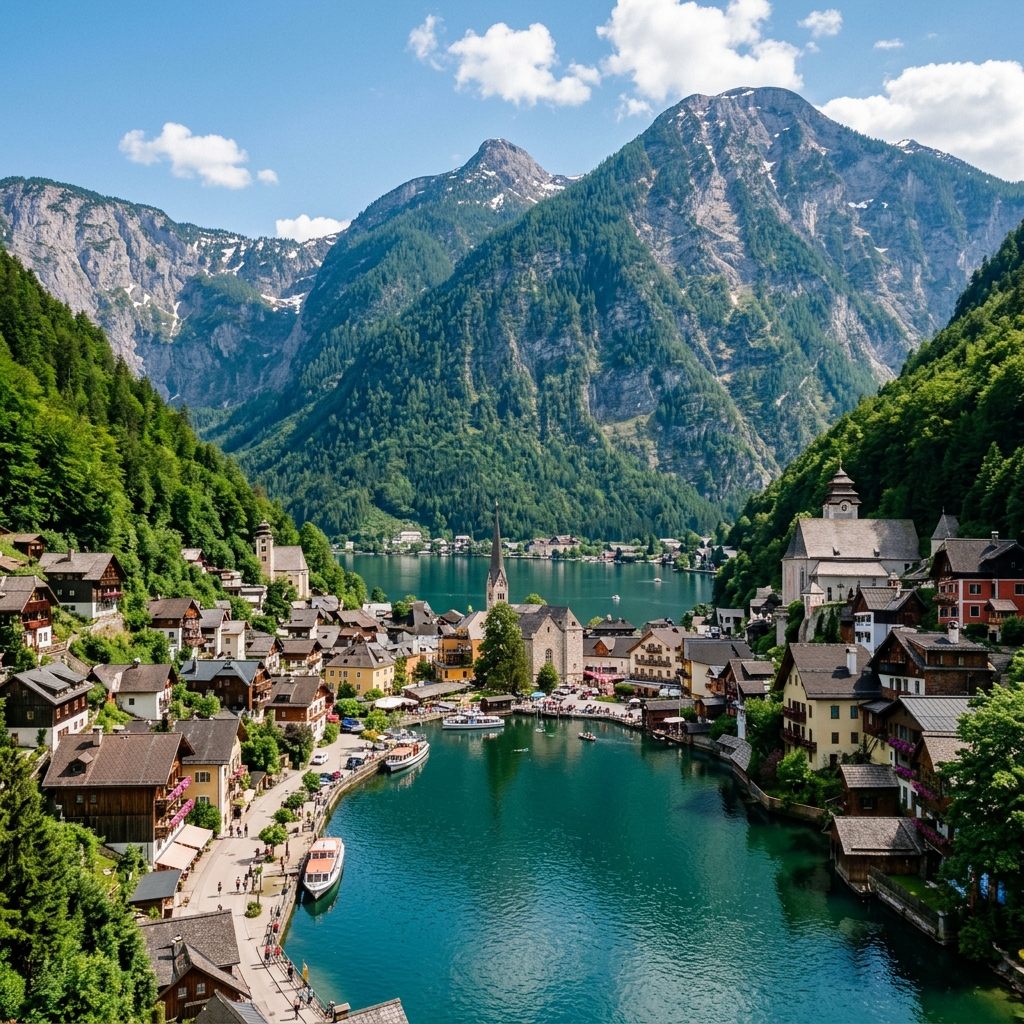
The cultural heart of Himachal Pradesh, featuring historic architecture, local markets, and iconic landmarks.
Natural Landscapes & Viewpoints
Experience the stunning natural beauty and panoramic vistas that make Himachal Pradesh famous.
Best Time to Visit
How to Reach
By Air
The nearest major international or domestic airport serves Himachal Pradesh with regular flights.
By Train
Himachal Pradesh is connected via regional rail networks. Please check local transit maps.
By Road
Easily accessible by well-maintained highways and local bus networks.
Explore regions in Himachal Pradesh

Manali
Manali (Hindi: manālī, pronounced [mənaːliː]) is a resort town, near Kullu town...
Shimla
Shimla, also known as Simla (the official name until 1972), (Hindi: [ʃɪmla] ) is...
Spiti Valley
Separated from the fertile Lahaul Valley by the soaring Kunzum Pass, Spiti Valle...
Dharamshala
Set against the backdrop of the dramatic Dhauladhar mountains, Dharamshala is un...
Dalhousie
Named after Lord Dalhousie, the British Governor-General who established this to...
Kasol
Tucked away in the picturesque Parvati Valley, Kasol is a haven for backpackers,...
Packages in Himachal Pradesh
Manali and Spiti 5N/6D
INR 23,500

Shimla Manali Mountain Delight
INR 12,999
Manali , Kasol and Manikaran 5N6D
INR 23,000
Bir-Billing with Barot 3N4D
INR 16,000
Interested in Himachal Pradesh?
Starts From
₹12,999